 English GB
 Español
  Français
  Deutsch
  Italiano
  Português PT




Differences between nitrile, latex, and PVC gloves: Complete technical guide for the selection of PPEs.

The choice of protective gloves in the industry is one of the most important decisions in workplace safety, always considering the main activity and the related risks. An incorrect choice of material could lead to premature degradation of the equipment and serious risks to the worker's safety.
Therefore, it is not about aesthetic preferences or comfort, but rather that each safety engineer knows the chemical composition of the gloves, their materials - whether nitrile, latex, or PVC - and their interaction with chemical, mechanical, and thermal agents. This is imperative to comply with Regulation (EU) 2016/425. For this reason, we have prepared this technical guide where we break down the fundamental differences so that those responsible for Occupational Risk Prevention (PRL) and technical professionals can optimize their inventory of PPE.
Differences between protective gloves: chemistry and material properties
To understand why a glove fails, we must first understand its chemical composition.
1. Latex gloves: the standard of elasticity
Latex is a natural rubber obtained from the Hevea brasiliensis tree. Its molecular structure is highly elastic, allowing the glove to fit the hand like a second skin.
-
Key properties: offers the best tactile sensitivity and fine dexterity. It is excellent for biological barriers (microorganisms).
-
Limitations: its major Achilles' heel is permeability to hydrocarbons, oils, and fats. Additionally, the presence of natural proteins in latex can trigger type I (immediate) or type IV (delayed) allergic reactions, which has led many sectors to migrate towards synthetic alternatives.
2. Nitrile gloves: the synthetic balance
Nitrile is a synthetic rubber, a copolymer of butadiene and acrylonitrile. Unlike latex, it does not contain natural proteins, making it the hypoallergenic option par excellence.
-
Key properties: its puncture and tear resistance is significantly higher than that of latex, providing an excellent barrier against oils, solvents, and petroleum-derived chemicals.
-
Limitations: although its elasticity has improved over the years, it is still slightly inferior to that of latex, and with prolonged exposure to certain aggressive chemicals, it may suffer degradation.
3. PVC gloves (Polyvinyl Chloride): robustness and economy
PVC is a synthetic polymer often used in thick gauntlets. Its manufacturing process allows for the creation of a very thick and durable physical barrier.
-
Key properties: it is unmatched in resistance to strong inorganic acids, alkalis, and caustic cleaning agents. It is ideal for tasks where the glove will be in constant contact with liquids for hours.
-
Limitations: it lacks the flexibility of nitrile or latex, which drastically reduces fine manipulation capability. Additionally, its resistance to organic solvents is poor, and it can soften quickly if exposed to them.
Advanced comparative table for the selection of Protective Gloves
|
Feature |
Latex |
Nitrile |
PVC |
|
Chemical Resistance |
Low (only diluted) |
High (chemicals/oils) |
Very high (acids/bases) |
|
Mechanical Resistance |
Low |
High |
Medium |
|
Tactile Dexterity |
Very High |
High |
Medium/Low |
|
Hypoallergenic |
No |
Yes |
Yes |
|
Resistance to solvents |
Poor |
Good |
Poor |
Nitrile, latex, or PVC gloves: When to choose each material?
The EN ISO 374 standard establishes the requirements and testing methods for protective gloves against hazardous chemicals and microorganisms. Here are the aspects to consider, according to each sector:
-
Healthcare and food environments: latex is still preferred when dexterity is vital and mechanical risk is negligible. However, low-grammage nitrile (3.5 - 5 mils) is replacing latex for clinical safety.
-
Chemical and automotive industry: nitrile is the industry standard. If there is a risk of cuts from metal sheets or handling industrial oils, nitrile with cotton support is essential.
-
Construction and waste treatment: PVC is the winner for tasks involving handling corrosive chemicals or heavy industrial cleaning. Its waterproof nature makes it perfect for protection against immersion.
Considerations regarding the EN ISO 374 Standard
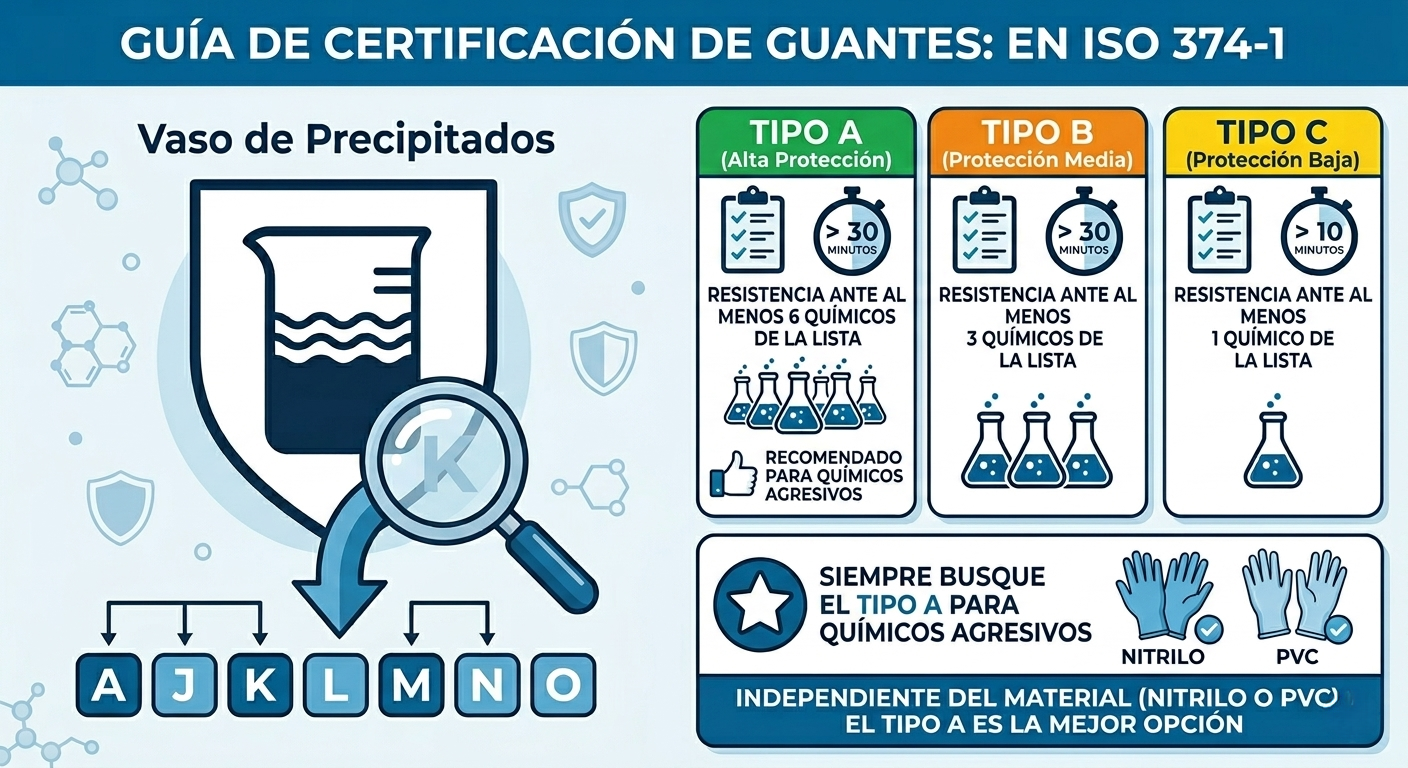
We cannot ignore the importance of EN ISO 374-1. When evaluating these gloves, the user should look for the pictogram of the "beaker." Under this pictogram, letters appear that represent the chemicals against which it has been tested:
-
Type A: More than 30 minutes of resistance against at least 6 chemicals from the standardized list.
-
Type B: More than 30 minutes against at least 3 chemicals.
-
Type C: More than 10 minutes against at least 1 chemical.
For work with aggressive chemicals, we will always look for type A gloves, regardless of whether the material is nitrile or PVC.
Certified safety solutions at Sekureco
At Sekureco.eu, we not only sell products but certified safety solutions. The correct choice between nitrile, latex, and PVC for safety gloves can prevent anything from a simple skin irritation to a work absence due to chemical burns or allergic sensitization. At Sekureco.eu, we offer a variety of heavy-duty PVC gloves, latex gloves for precision, as well as high-protection nitrile gloves. Compare our entire offer.
-
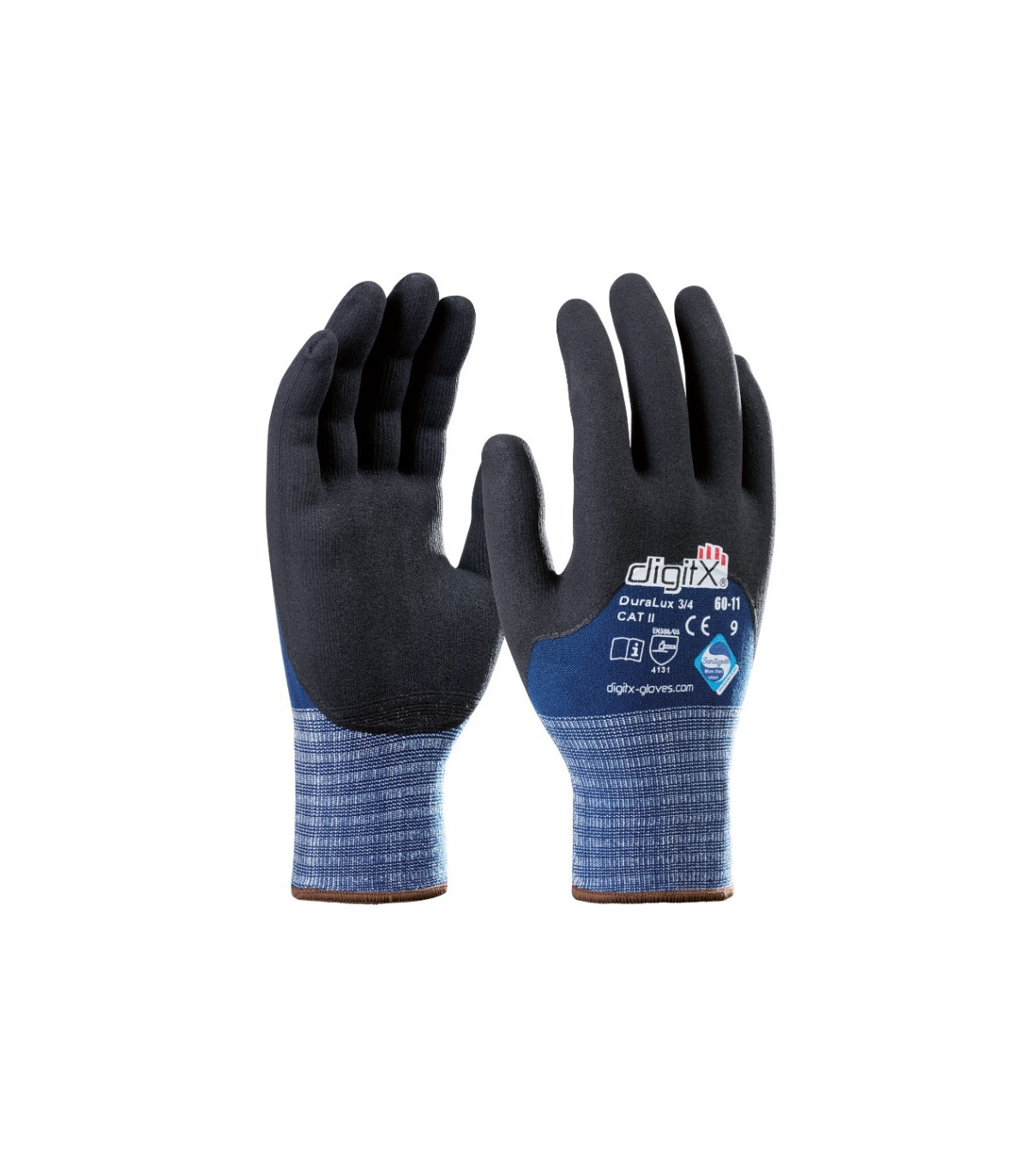
High protection nitrile gloves: designed for maximum mechanical resistance without losing comfort, planned for tasks requiring precise manipulation and good touch, which helps maintain comfort during prolonged use.
-
Latex gloves for precision: optimal for laboratories and controlled environments, providing protection against bacteria and fungi.

-
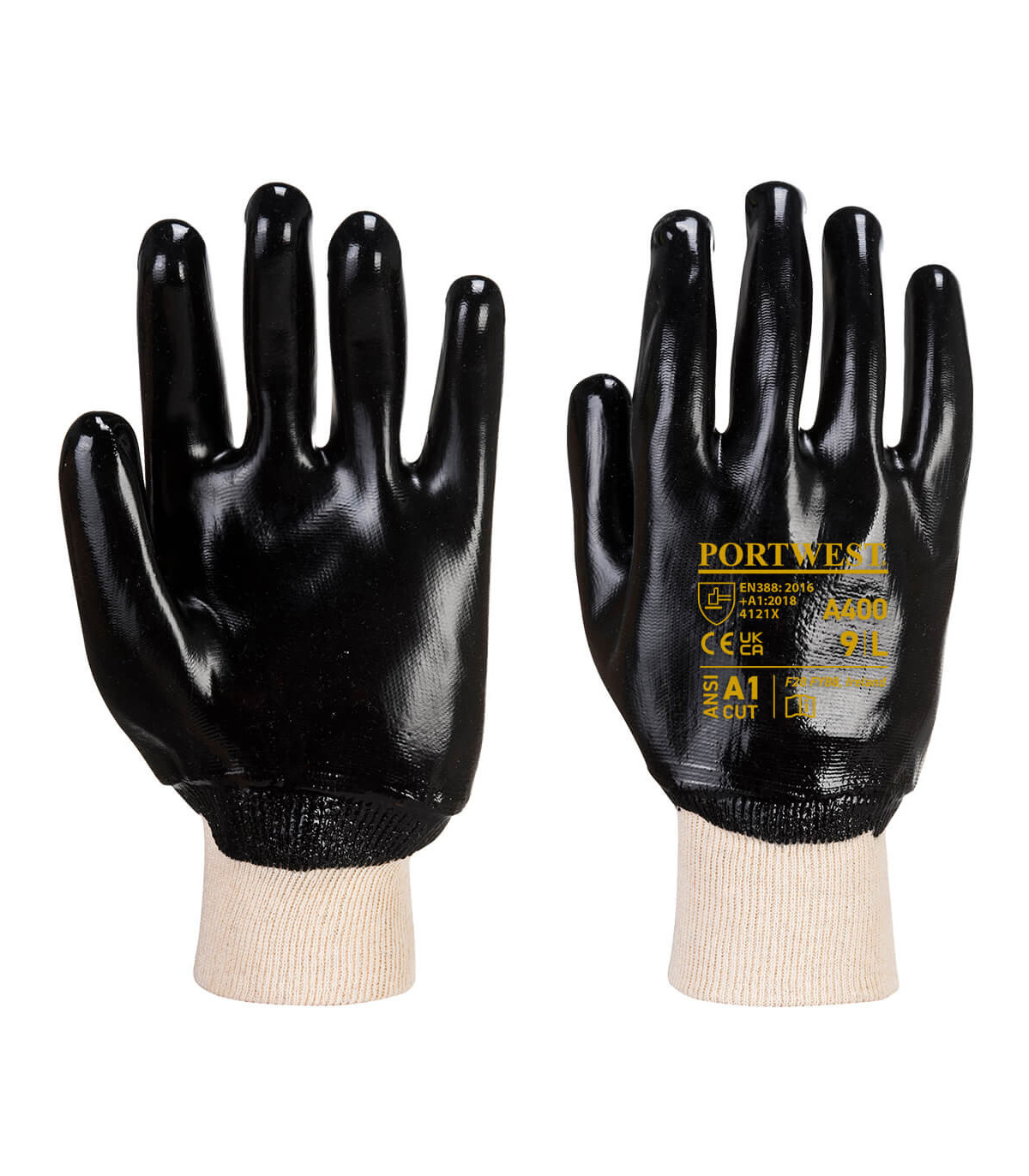
Heavy-duty PVC gauntlets: are the perfect choice for handling bases and acids, as they provide excellent resistance to abrasion and tearing.
Frequently asked questions about nitrile, latex, and PVC gloves
Is nitrile really more puncture-resistant than latex?
Yes, the bond structure of nitrile is denser, making it harder for sharp objects to penetrate the polymer layer compared to latex, which is softer and stretches before tearing.
Why is PVC not recommended for solvents?
PVC is a polymer that is affected by the solubility of many organic solvents (such as acetone or benzene), causing swelling and immediate degradation of the material.
How do I know if I need a nitrile glove with or without support?
The textile support (cotton interior) is necessary to absorb sweat and improve mechanical resistance to tearing in heavy industrial tasks. Without support, the glove is thinner and focused on dexterity.