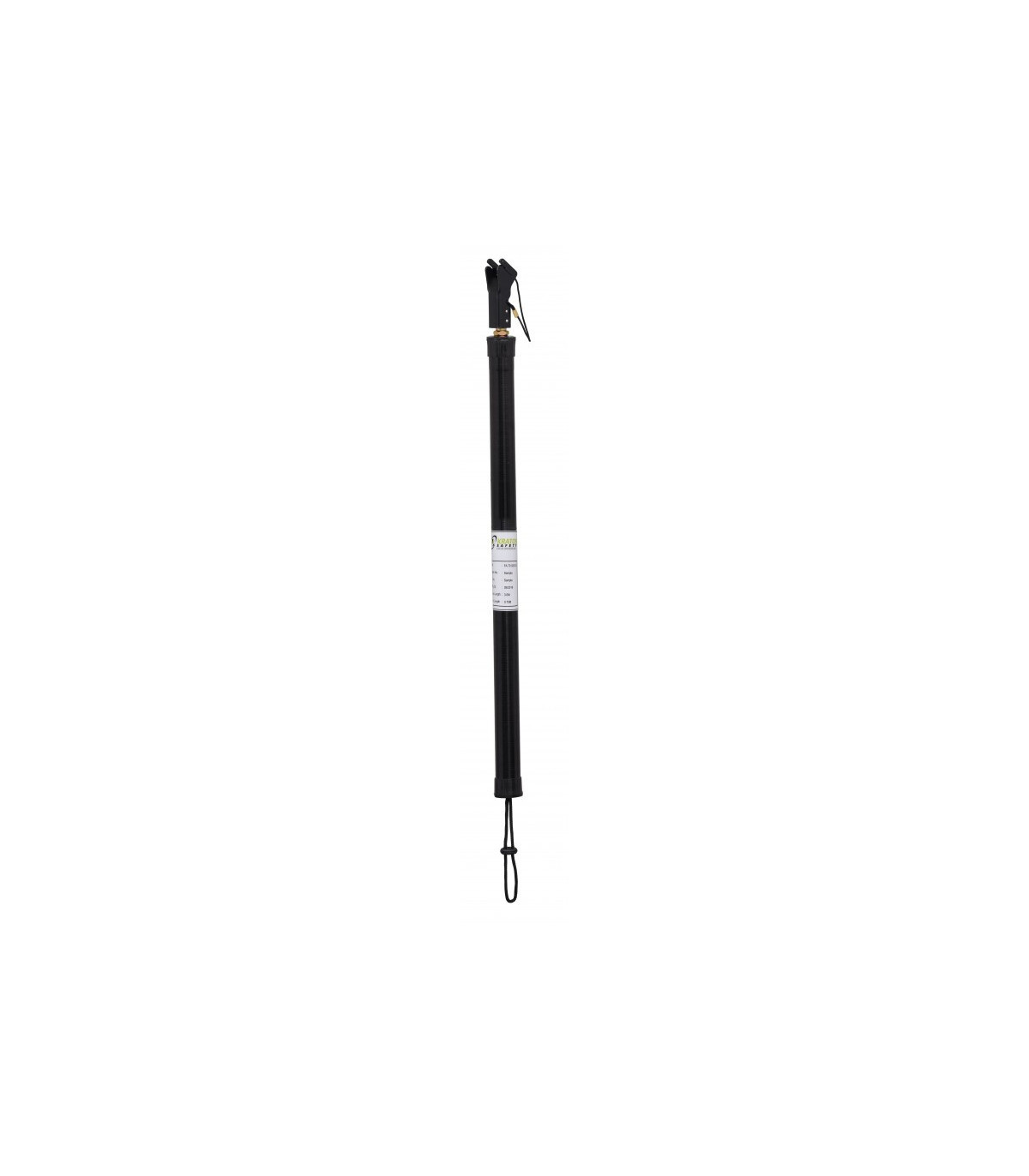
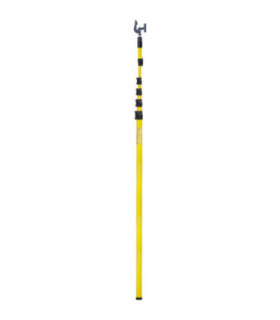
The telescopic rescue pole from Kratos Safety is an essential tool for rescue operations in confined and hard-to-reach spaces. Its telescopic design allows it to be adjusted to different lengths, reaching high and narrow points. Made with high-strength materials, this pole ensures maximum safety and durability. Equipped with various interchangeable accessories, such as hooks, pulleys, and ropes, it adapts to a wide variety of rescue situations.
FEATURES
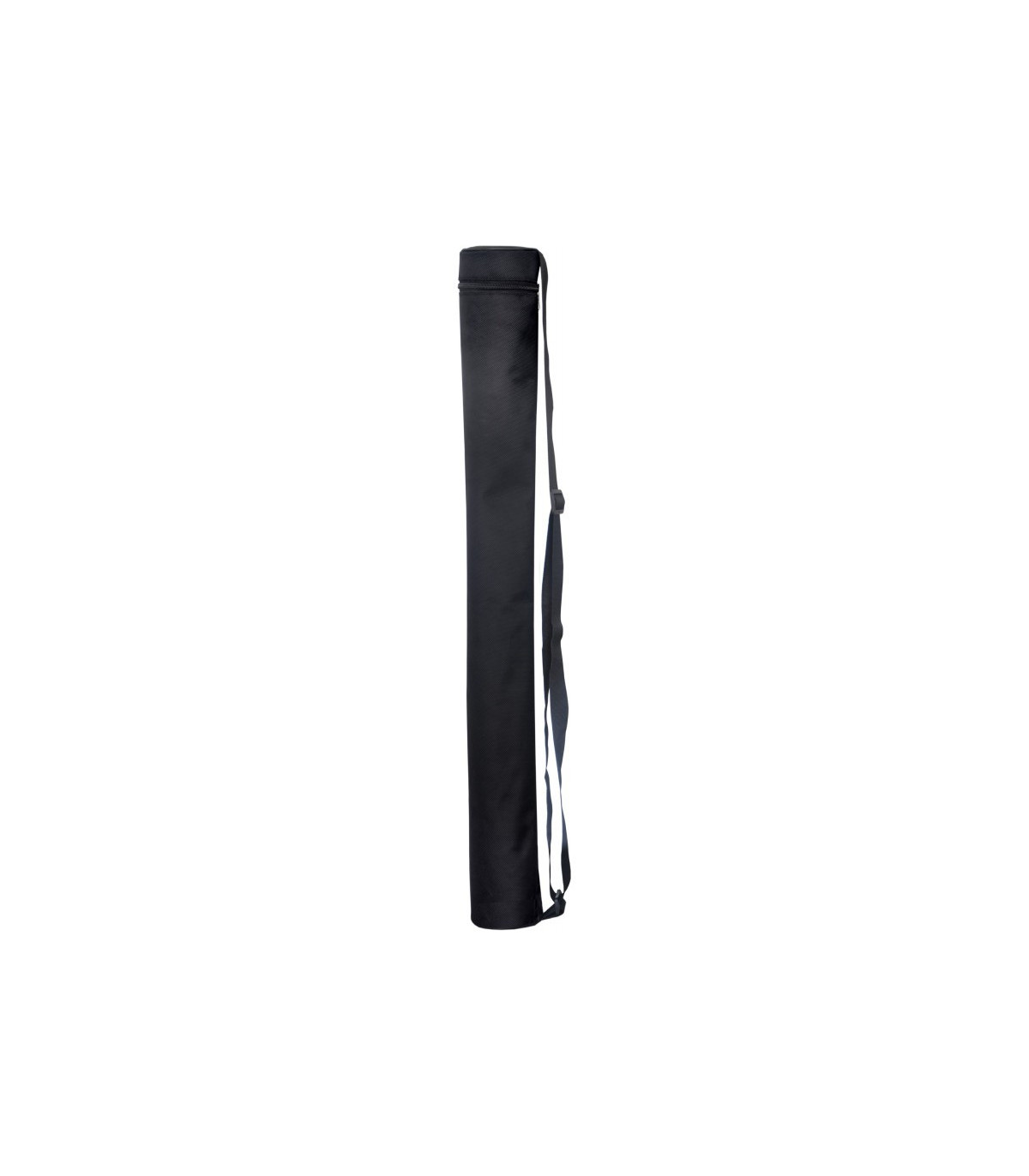
- Supplied with its storage bag.
- Weight: 0.75 kg.
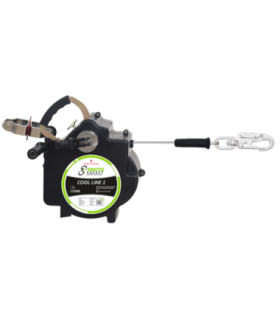
- Use in combination with FA 50 208 60 or FA 50 218 60
- Max length: 3 m.
- Min length: 0.75 m
APPLICATIONS
Equipped with a protection that prevents the head of the pole from twisting.
TECHNICAL DATA
- Material: Fiberglass
- PPE / NON-PPE Non-PPE
- Additional Advantages Lightweight, Easy to Use Comes with Its Transport Bag
THE FUNDAMENTAL PRINCIPLES OF RESCUE AND EVACUATION
When working at height, an accident may occur that requires the intervention of a rescue team to evacuate the victim.
In that case, the rescue team personnel must intervene in an emergency situation, and THE GOLDEN RULE in such cases is TO AVOID WORSENING THE ACCIDENT.
Therefore, before any intervention, the following questions should be asked:
- Is there residual risk after the accident (electrical risk, presence of gas...)?
- Do I have the capacity to intervene (from a physical, psychological, technical perspective...)?
- Do I understand the rescue plan (calling emergency services...) and the operational mode of evacuation?
- Have I received SPECIFIC training in rescue operations that I should apply? (OBLIGATION of directive 89/655/EEC article 7 and annex II paragraph 4.4.f [directive 2001/45/EC]).
The rescue personnel can then intervene according to the previously defined rescue plan, and their priorities will be:
- Secure the victim,
- Remove the victim from the inert suspension situation as soon as possible,
- Wait for help to arrive under the best possible conditions.
Each situation is unique and requires the appropriate material. When establishing an evacuation plan that defines the human and material means to be used, it is necessary to distinguish between the following situations:
- evacuation in confined space,
- self-evacuation in a fixed position,
- evacuation on the ground (multiple situations, one or several victims),
- evacuation via mechanical lift.
Read moreShow less
 English GB
 Español
  Français
  Deutsch
  Italiano
  Português PT










@CUSTOMER_NAME@
@AUTHOR_PROFILE@ @COMMENT_ISO_COUNTRY@ @VERIFY_PURCHASE@@COMMENT_TITLE@
@COMMENT_COMMENT@