Anti-fog coatings for protective glasses
Posted on2026-01-22
To download the infographic click here.
They help workers see clearly for longer.
Learn about the science behind anti-fog coatings 3M™. Workers in environments with significant temperature changes are more likely to experience fogging.
The fogging of protective eyewear lenses can obscure the worker's field of vision, which could lead to workplace injuries due to poor visibility. Excessive fogging can also cause a worker to remove their protective eyewear, leaving their eyes exposed to hazards on the job site.
How do anti-fog coatings work?

Quick facts... Did you know?
- Coatings for protective eyewear can offer resistance to both fogging and scratches
- Most anti-fog coatings 3M™ are applied to both sides of the lens, helping to enhance the anti-fog performance in a variety of environments
Anti-fog performance
Risks vary by job, which is why 3M offers three different anti-fog coatings, allowing workers to select the option that best suits their needs.

Splashes. Dust. Fogging. We’ve got you covered.
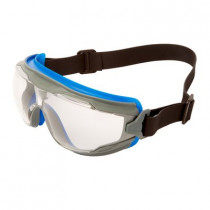
New 3M™ GoggleGear™ 3000: The 3M™ GoggleGear™ Series 3000 protective eyewear features a full-size design with a wraparound lens to enhance the field of vision, and a notched nose bridge for a more comfortable fit. Choose from models with anti-fog coating or 3M™ Scotchgard™ anti-fog. The GoggleGear™ 3000 is available with indirect ventilation to improve airflow and anti-fog performance, and has a rating of 3 for splash protection, 4 for large particle protection, and 6 for liquid stream protection.
Anti-Fog Coatings for Eye Protection
Fogging in protective eyewear can obstruct a worker's field of vision, which can potentially cause a workplace injury due to lack of visibility. Excess fogging can also prompt a worker to remove their eye protection, leaving their eyes exposed to workplace hazards. Download our infographic to learn how anti-fog coatings work.
 English GB
 Español
  Français
  Deutsch
  Italiano
  Português PT