 English GB
 Español
  Français
  Deutsch
  Italiano
  Português PT




Safety Helmets EN 397: when are they mandatory in the industry

The EN 397 standard specifies the physical and performance requirements, testing methods, and marking for protective helmets in the industry. A helmet certified under this standard is designed to protect the user against the most substantial risks:
-
Vertical impacts: shock absorption in the crown area.
-
Punctures: resistance to sharp objects attempting to penetrate the shell.
-
Flammability: resistance of the material to combustion.
Mandatory vs. optional requirements for protective helmets
Every helmet manufactured under the EN 397 standard must pass tests for impact absorption, penetration resistance, flame resistance, and a retention system (chin strap). However, there are optional requirements that add value depending on the environment; these values are a specific connotation that will depend on the risks already assessed in the work environment:
-
Very low temperatures (-20°C or -30°C): ideal for workers in cold storage or outdoors in winter.
-
Very high temperatures (+150°C): for foundries or steel environments.
-
Electrical insulation (440V a.c.): this is a crucial property for electricians and line maintenance.
-
Lateral deformation (LD): for resistance against lateral pressures.
Essential components and PRL selection criteria for a safe helmet
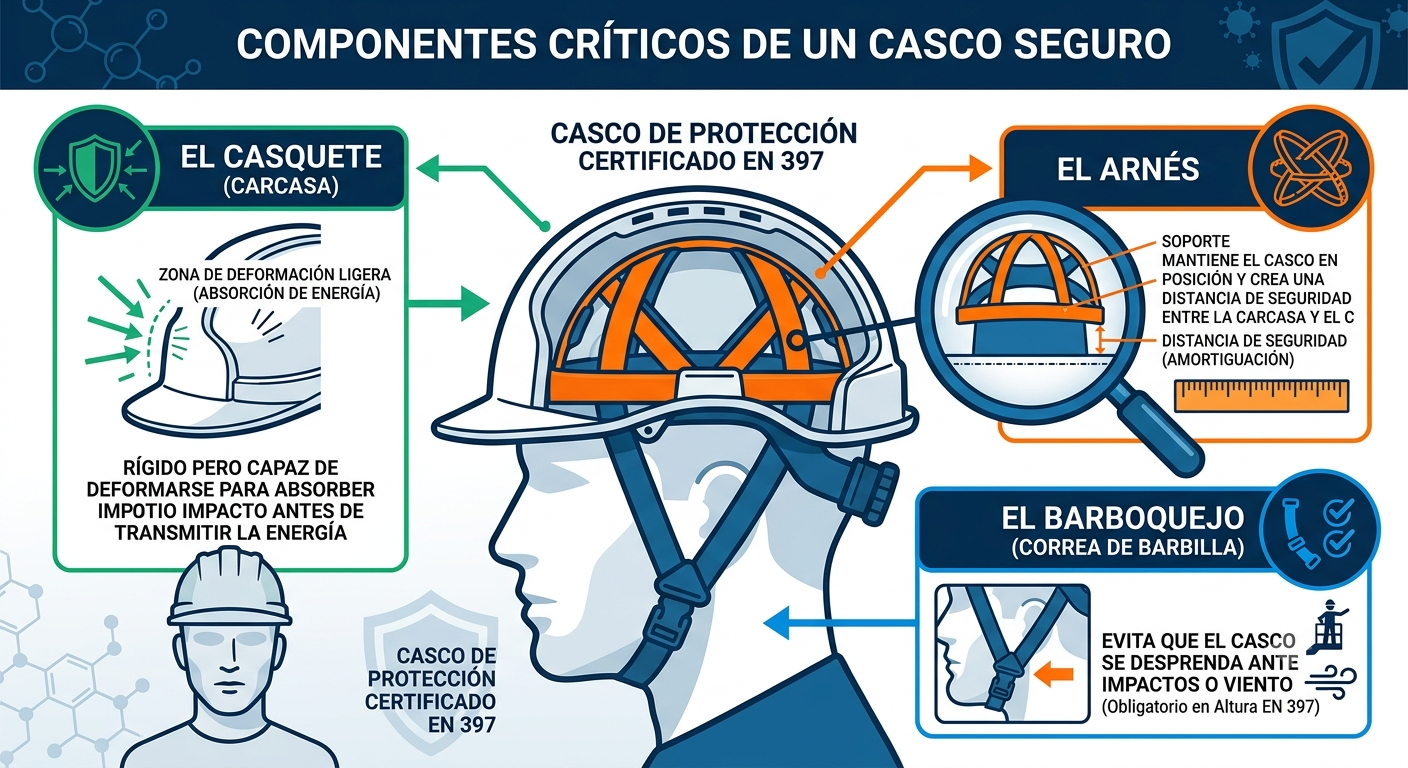
For the protective helmet to be effective, it must consist of three fundamental elements that work in synergy:
-
The Shell: it must be rigid, capable of slightly deforming to absorb impact energy before transmitting it to the head.
-
The Harness: this is the most important element. It must be designed to keep the helmet in position and provide a safety distance between the shell and the skull (cushioning).
-
The Chin Strap: mandatory according to the EN 397 standard if the helmet is used for work at height or with a lot of movement. This element prevents the helmet from being dislodged upon impact or a gust of wind.
How to choose the right safety helmet according to the industry
The choice of helmet at Sekureco.eu should not be random; it depends on a thorough risk analysis:
-
For construction: we look for helmets with ventilation (for greater comfort) and resistance to lateral deformation (LD).
-
For the electrical sector: it is mandatory to choose helmets certified for electrical insulation of 440V and that do not have ventilation holes (to prevent the passage of electric arcs).
-
For work at height: the use of "mountaineering" type helmets with a 4-point chin strap is the norm, to ensure that the helmet stays on the head in case of a fall.
Inspection and lifespan: the invisible enemy
Many safety managers make the mistake of thinking that a helmet lasts forever. The EN 397 standard is clear regarding expiration:
-
Pre-use inspection: look for cracks, fissures in the shell, or loss of tension in the harness straps.
-
Lifespan: generally, polyethylene (PE) helmets have a lifespan of 3 to 5 years from the date of manufacture, regardless of their visual condition, as polymer materials undergo a natural aging process due to UV radiation.
-
Golden rule: if a helmet receives a strong impact, it must be removed immediately, even if there are no visible damages, as the internal structure may have suffered micro-fractures that compromise its future absorption capacity.

Certified solutions at Sekureco
On our platform, we facilitate the choice of the correct safety helmet through rigorous technical classification. With varieties from leading brands in the sector. Models with key benefits of ease of adaptation, ergonomics, and adaptability to other components, and head protection accessories: (grills, hearing protectors, harnesses, etc).
Helmets for construction available at Sekureco:
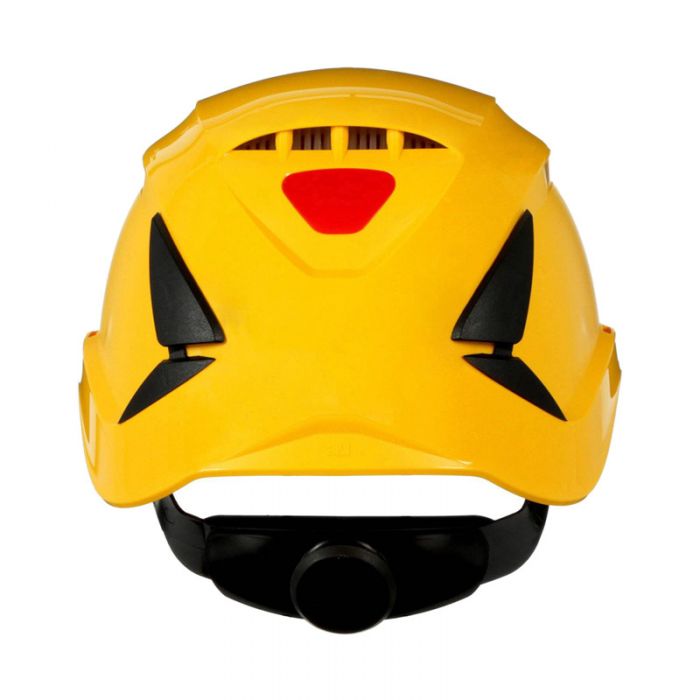
Industrial protection helmet X5501V-CE with ventilation and 4-point SecureFit 3M harness
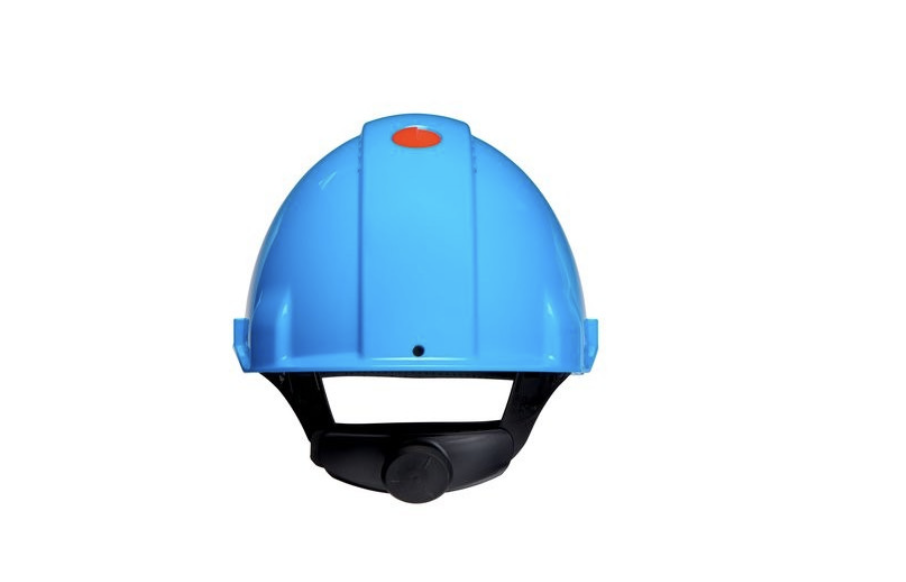
Uvicator roulette helmet with sweatband G3000 PELTOR 3M
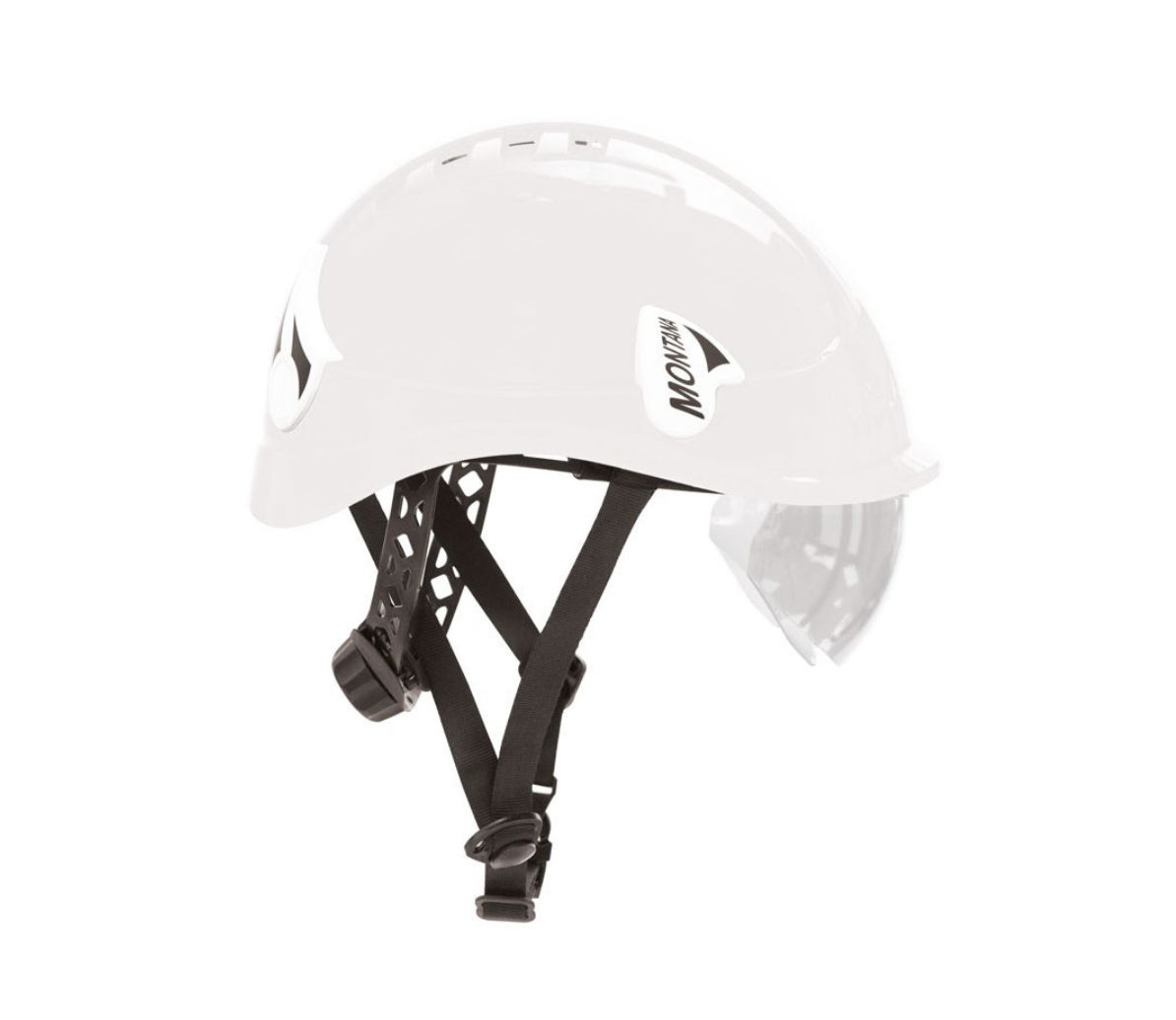
SAFETOP helmet with visor and Montana chin strap
Frequently asked questions about safety helmets - EN 397 standard
1. Is it mandatory for the helmet to have ventilation slots?
No, ventilation slots are optional and depend on the comfort sought. However, in electrical environments, they are prohibited to prevent the entry of current in case of an arc.
2. Can I stick stickers or paint my helmet?
It is not recommended. The adhesives of certain stickers or the solvents of some paints can chemically degrade the polymer of the shell, weakening its structure and nullifying the EN 397 certification.
3. What does the "LD" marking on the helmet mean?
It means "Lateral Deformation." It indicates that the helmet has passed specific tests to resist lateral deformation, protecting the user if the helmet receives pressure from the sides.
4. How often should I change the helmet harness?
Although the shell is in good condition, the harness usually suffers more wear due to sweat and friction. It is recommended to replace it every 12-24 months to maintain optimal cushioning capacity.
5. What certification should I look for for work with electrical risk?
You must look for helmets that comply with the EN 50365 standard (electrical insulation for low voltage) in addition to the EN 397, ensuring complete protection against accidental contacts.