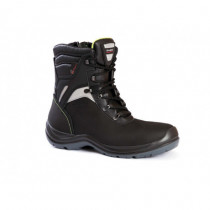
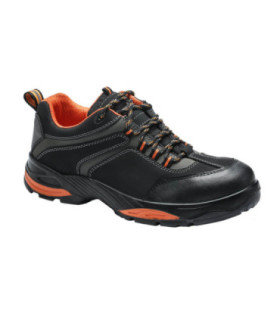
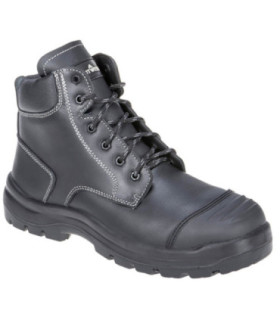
Foot protection is a critical priority in any industrial setting. Certified footwear makes the difference between a productive and safe workday and one subjected to serious physical risks. The safety boots for welders must meet specific technical requirements dictated by European regulations to ensure the physical integrity of the worker, protecting them against projections of molten metal, high-temperature sparks, falling heavy objects, and electrical hazards.
At Sekureco.eu, we understand that selecting Personal Protective Equipment (PPE) of this category requires a thorough analysis of both heat resistance certifications and ergonomic design for long work shifts. That’s why we present this complete selection guide.
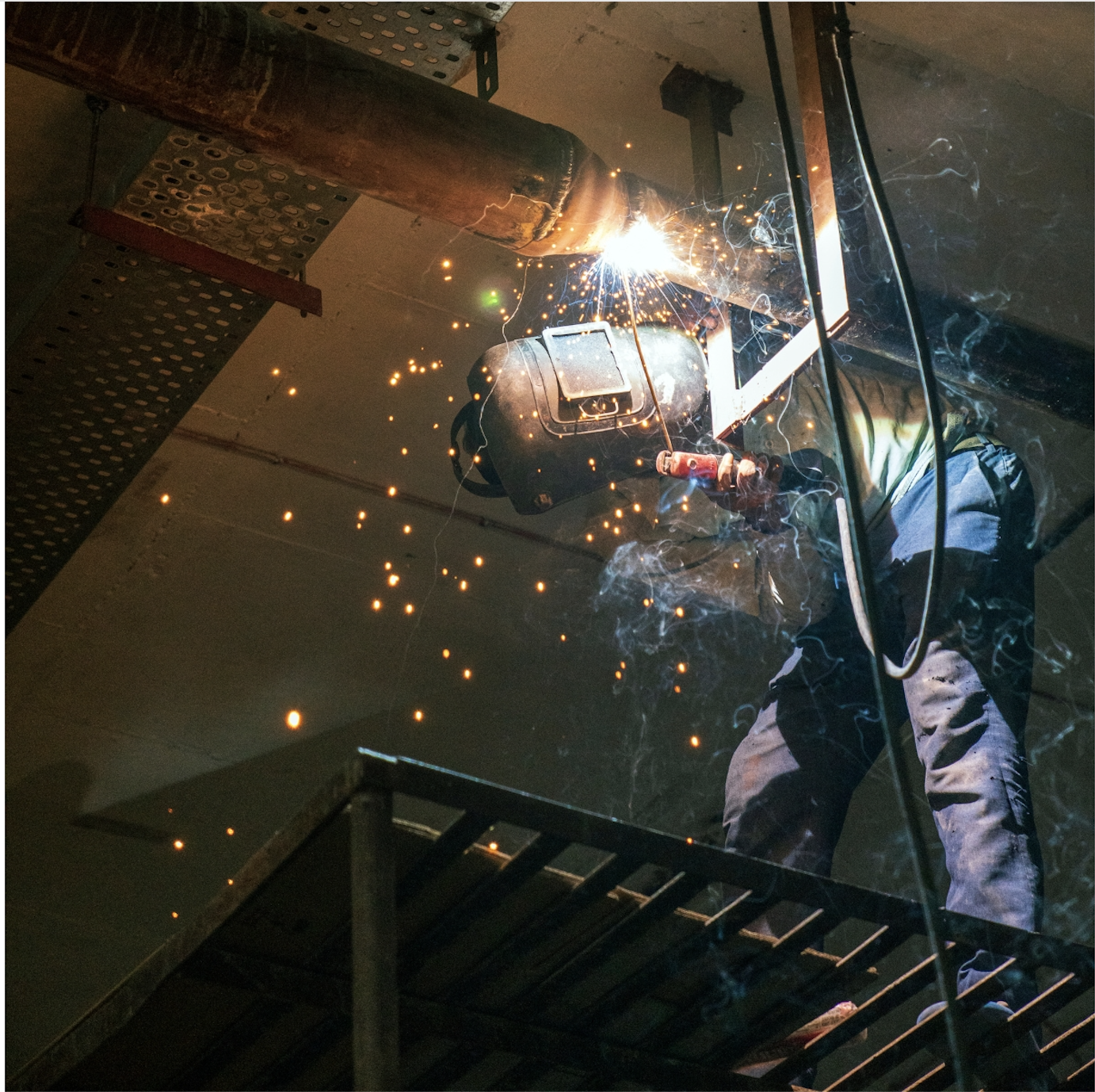
EUROPEAN REGULATIONS APPLICABLE TO WELDING FOOTWEAR
For protective footwear to be considered suitable for welding and foundry work, it must comply with the base standard EN ISO 20345, supplemented by additional specific requirements for thermal risks.
The S3 standard and heat resistance (HRO)
-
S3 Marking: the footwear must have a safety toe (resistance to an impact of 200 Joules), puncture-resistant sole, anti-static properties, energy absorption in the heel, and water-repellent upper (resistant to water penetration).
-
HRO Marking (Heat Resistant Outsole): this is an essential requirement for welders. It indicates that the outer sole made of special rubber or polyurethane has passed heat resistance tests for direct contact at 300°C for at least 60 seconds without melting or cracking.
Protection against molten metal splashes (WG)
The standard also includes the WG marking (Welding Guard / Footwear for Welders). This level certifies that the design of the footwear includes special protections in the upper and high thermal resistance seams that prevent the penetration of sparks or drops of incandescent metal into the inside of the shoe.
WHAT SAFETY BOOTS ARE SUITABLE FOR WELDERS?
When evaluating safety footwear, occupational risk prevention managers must look for a series of essential construction elements that safety boots for welders must meet:
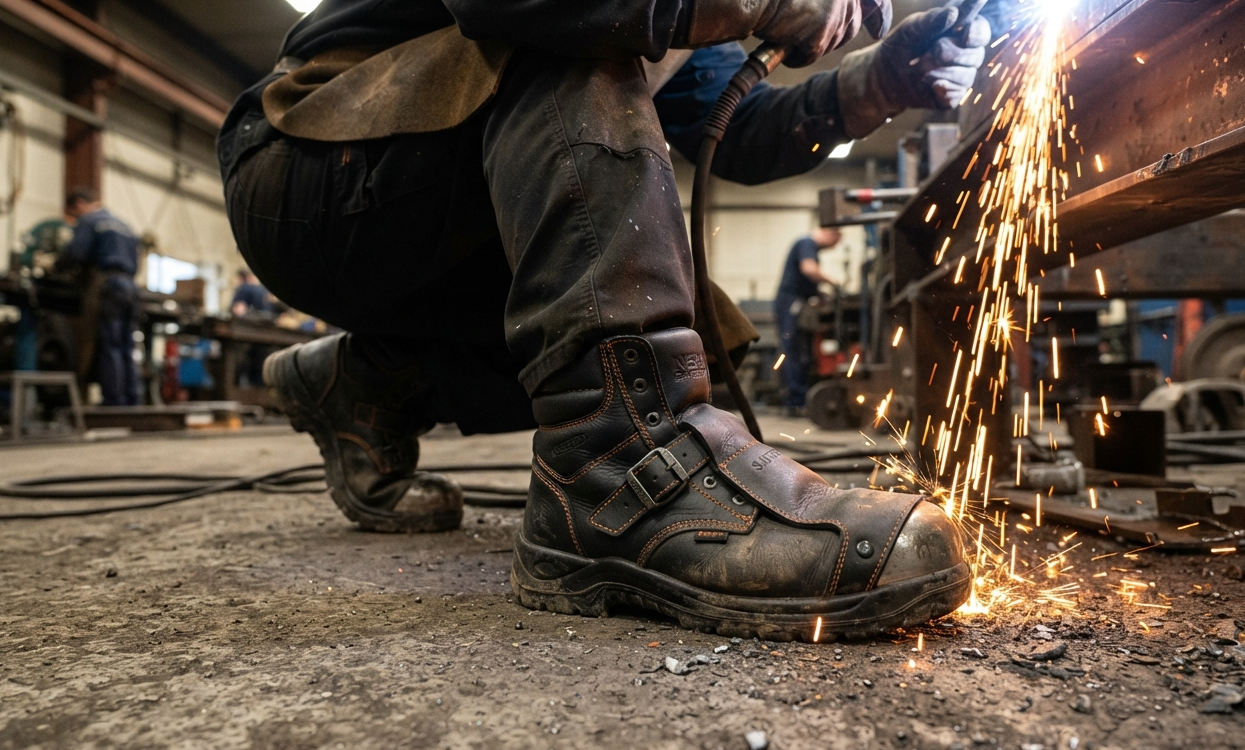
A. Closure system and upper protection
-
Quick closure or protective flap (integrated gaiter): welding boots often do without exposed laces or cover them with a leather flap with Velcro closure or quick-release buckle. This prevents sparks from getting caught in the laces or entering the footwear.
-
Flame-resistant seams: all joints of the upper must be sewn with aramid threads (such as Kevlar) that do not degrade or burn when exposed continuously to high temperatures.
B. Upper materials
Full-grain leather or water-repellent full-grain leather are the most commonly used materials by manufacturers, as they provide an excellent natural barrier against thermal radiation and repel liquid splashes, allowing molten metal to slide off instead of adhering.
C. Puncture-resistant toe and insole
-
Composite toe vs. steel: although both resist 200J, steel is a thermal conductor. However, in certified welding footwear, proper internal insulation prevents heat transfer to the foot. Composite or fiberglass toes are also highly valued for their light weight and zero thermal conductivity.
-
Puncture-resistant insole (P or PL): protects against puncture from sharp objects on the workshop floor (metal shavings, nails, tools), which can be metallic or high-tenacity textile.
PRODUCTS AND SOLUTIONS AT SEKURECO
To illustrate practical application in the industry, we highlight types of models highly demanded by professionals in metalworking and welding:
-
Welding safety boots with buckle closure: designed in 100% water-repellent leather, with textile puncture-resistant insole, non-metallic Vincap toe, and bidensity polyurethane sole with SRC slip resistance level.
View product: Welding safety boot S3S+SR+CI+FO+LG EN 20345 FAL SEGURIDAD IR300 TORMES

View product: Welding protection boot SAFETOP Nerio

Boots for welders: maintenance and replacement criteria
A thermal PPE loses its properties if not properly cared for. Constant slag splashes can dry out the leather of the footwear. It is recommended to periodically clean the soles and apply special oils or waxes to maintain the flexibility of the leather. If the aramid seams burn, the upper suffers perforations, or the HRO sole loses depth in the slip-resistant tread (SRC), the boot must be removed and replaced immediately.
In conclusion, choosing the right safety boots for welders under the EN ISO 20345 regulations (specifically with S3, HRO, and WG markings) is a critical decision that transcends mere legal compliance; it represents the strongest structural defense against severe thermal and mechanical risks in the metallurgical industry, ensuring that every welding professional returns home safely.
Frequently asked questions about safety boots for welders
-
Can I use a regular S3 boot for welding work?
It is not recommended. Although a standard S3 boot protects against impacts and punctures, if it lacks the HRO marking (sole resistance to 300°C) and specific protections against molten metal (WG), sparks can melt the sole or penetrate the footwear.
-
Why are models without laces or with protective flaps preferred?
Exposed laces act as traps for incandescent sparks, which can catch fire or allow molten metal to penetrate directly into the worker's foot.
-
What is the difference between SRC sole and HRO sole?
SRC certification evaluates slip resistance (non-slip on ceramic and steel surfaces with glycerin/water), while HRO exclusively evaluates the thermal resistance of the sole to heat by contact (300°C). The best welding boots combine both features.
-
How often should welding boots be replaced?
It depends on the intensity of use and exposure to severe projections. If cracks are observed in the leather, broken aramid seams, loss of thickness in the HRO sole, or damage to the toe, the footwear should be replaced immediately.
Do you need to equip your team of welders with the highest standard of protection in Europe? Explore our specialized category of HRO and welding safety footwear at Sekureco.eu, where you will find certified models that combine ergonomics, thermal comfort, and strict regulatory compliance. Discover our technical catalog of safety footwear here.
 English GB
 Español
  Français
  Deutsch
  Italiano
  Português PT