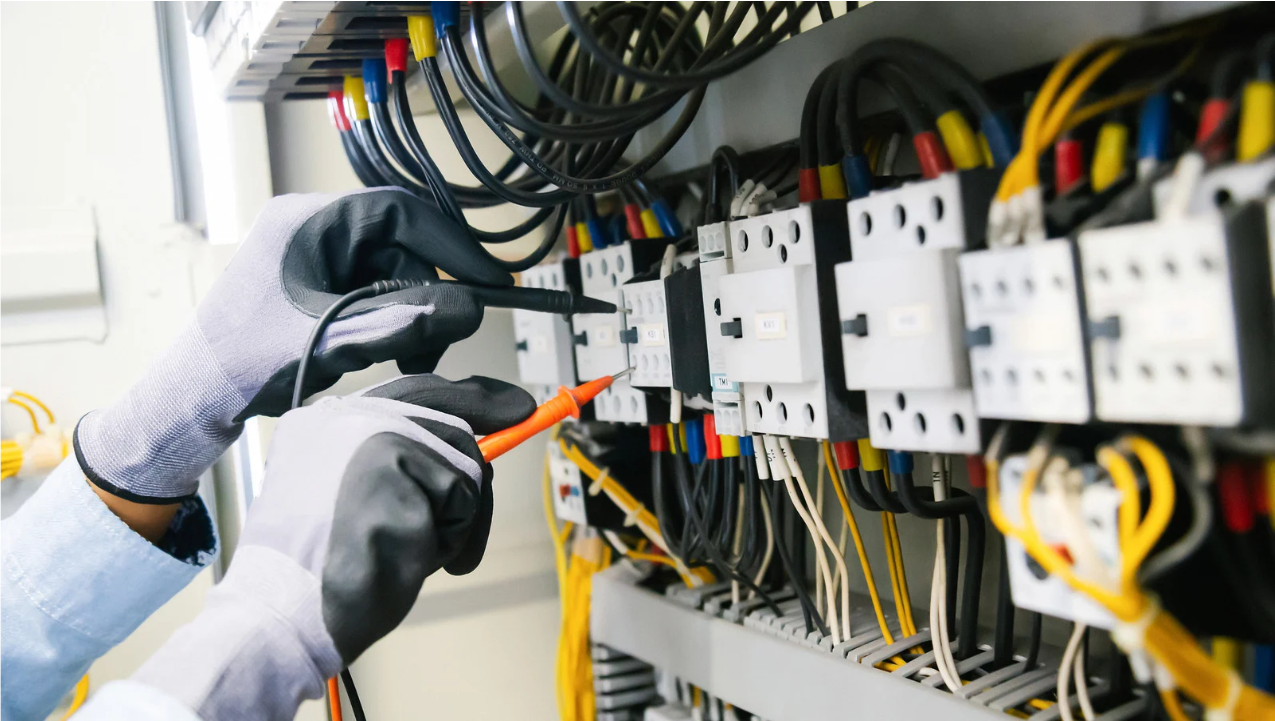
In electrical work, there is no "one PPE" that covers everything: the equipment needed depends on whether you work without voltage, near live elements or directly on live voltage, and whether there is a risk of electric arc. Choosing wrong could mean wearing gloves that don't insulate at the actual installation voltage, or a helmet without electrical insulation under a live line.
In this guide, we explain what PPE is needed for electrical work, what standards they must meet, and how to adapt your equipment to the risk level of your job. If you already know what you're looking for, you can go directly to our electricians category.
View equipment and PPE for electricians
WHAT PPE IS NECESSARY FOR ELECTRICAL WORK?
A complete protection kit for electrical work includes, according to risk:
- Head: helmet with electrical insulation (EN 50365).
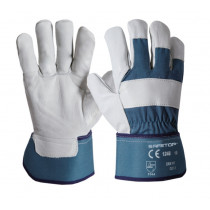
- Hands: insulating gloves (EN 60903), with mechanical protection gloves on top.
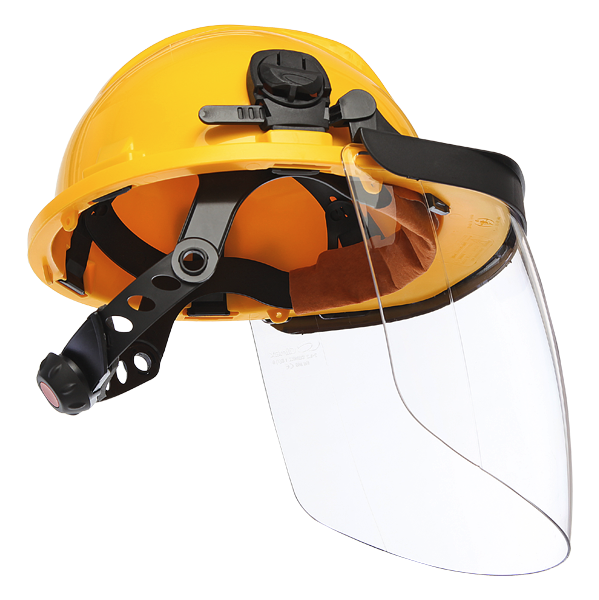
- Face and eyes: face shield with protection against electric arc (EN 166).
- Body: clothing suited to the risk; if there is arc risk, specific arc-resistant clothing.
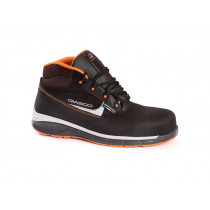
- Feet: safety footwear with insulating properties, and certified insulating footwear for work on live voltage.
And one rule above all: PPE is the last line of defence. Whenever possible, work should be performed without voltage.
REGULATORY FRAMEWORK: WHAT THE LAW REQUIRES
Live voltage work: qualified personnel only
The Real Decreto 614/2001 (minimum provisions against electrical risk) establishes that live voltage work must be carried out by qualified workers, authorised in writing by the employer. It also requires that equipment and materials used protect against electrical risk and that the worker does not carry conductive objects, such as bracelets, watches or chains.
PPE for electrical risk: Category III
PPE designed for work under dangerous voltage is classified as Category III under Regulation (EU) 2016/425, the most demanding: they require CE marking and the involvement of a notified body.
PPE AGAINST ELECTRICAL HAZARDS ONE BY ONE
Head: helmet with electrical insulation (EN 50365)
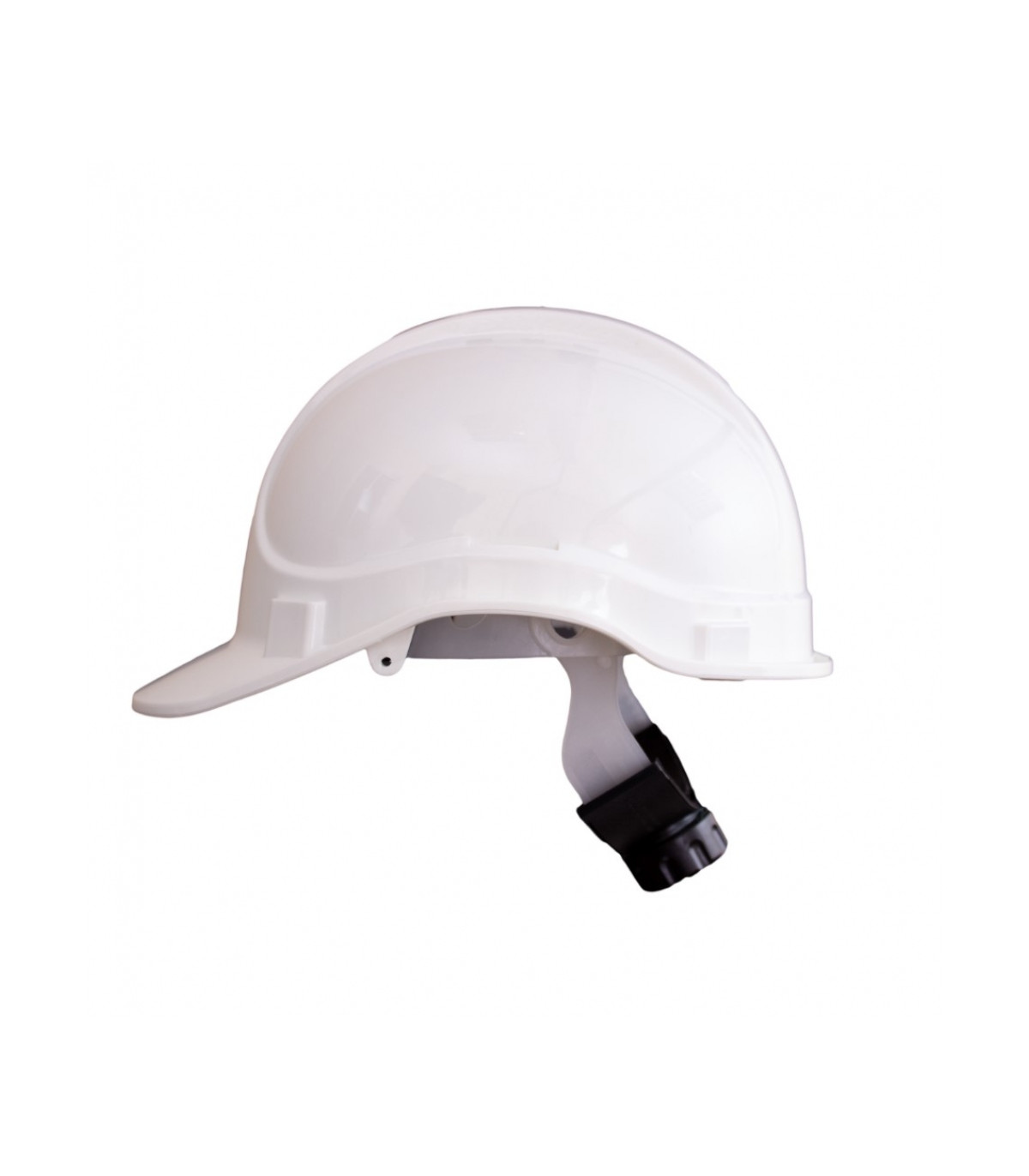
A standard hard hat is not sufficient in environments with electrical risk. Helmets with electrical insulation according to EN 50365 are designed for installations up to 1,000 V AC or 1,500 V DC, and must also meet industrial helmet requirements (EN 397). They are identified by their electrical class and by the double triangle symbol.
Hands: insulating gloves (EN 60903)
These are the most critical PPE in live voltage work. The standard EN 60903 classifies them into six classes according to maximum working voltage:
| Class |
Maximum working voltage (AC, indicative) |
| 00 |
500 V |
| 0 |
1,000 V |
| 1 |
7,500 V |
| 2 |
17,000 V |
| 3 |
26,500 V |
| 4 |
36,000 V |
(Always confirm voltages in the manufacturer's technical sheet.) Choose a class higher than the actual installation voltage. They are normally used with mechanical protection gloves on top, which protect the insulation from cuts and abrasion, and must be inspected before each use: a tiny puncture or cut renders insulation useless.
Face and eyes: shield against electric arc (EN 166)
Electric arc from short circuit projects intense heat, light and particles. For this risk you need face protectors specifically certified against short-circuit electric arc (marked 8 according to EN 166), with appropriate optical class. Conventional safety glasses do not cover this risk.
Featured product: Face shield for electric arc DV CLIMAX REF: 436
Body: clothing according to risk
- Without arc risk: appropriate work clothing, avoiding garments with exposed metal parts.
- With arc risk: clothing certified against electric arc (EN 61482-1-2 standard), which does not melt or drip onto the skin.
- Note on antistatic clothing: antistatic clothing (EN 1149-5) protects against electrostatic charges, not against electrical voltages.
Feet: safety footwear and insulating footwear
For routine work, safety footwear with non-metal toecap and insulating sole reduces conductivity. For work on live voltage, electrically insulating certified footwear is required, with its working voltage indicated. Important: antistatic or ESD footwear is not insulating footwear; they solve different problems.
Insulated tools
Tools with insulation certified up to 1,000 V (IEC 60900) complement PPE, although they are not considered PPE themselves.
WHAT EQUIPMENT DO YOU NEED? CHOOSE ACCORDING TO YOUR WORK
| Situation |
Minimum recommended equipment |
| Work without voltage (after applying the isolation and verification procedure) |
Helmet, safety footwear, mechanical protection gloves, work clothing |
| Work near live elements |
The above + helmet with electrical insulation, insulating gloves, face shield |
| Work on live voltage (qualified personnel only) |
Dielectric helmet, insulating gloves of appropriate class, arc-resistant shield, insulating footwear, arc-resistant clothing |
| Electric arc risk (switchboards, operations, medium/high voltage) |
Clothing and shield certified against arc, according to evaluated energy level |
The exact level is determined by risk assessment of the workplace. To see what we have available, consult our electricians category.
DO YOU NEED HELP EQUIPPING YOUR TEAM?
If you are equipping multiple electricians or have doubts about glove class or the protection level your installation needs, our team can advise you.
Contact us and we'll advise you (or email us: info@sekureco.eu)
WHEN ARE THESE PPE USED?
- Low voltage electrical installations: maintenance and repairs on switchboards and lines.
- Industry and maintenance: work on machinery and control panels.
- Construction: temporary installations and site connections.
- Networks and substations: work with higher voltage and arc risk.
- Building maintenance and photovoltaics: DC work, where voltage may remain present.
PRODUCT EXAMPLES AND SOLUTIONS AT SEKURECO
In our catalogue you'll find protective clothing and specialist safety equipment for the protection electricians need. Some examples of products and solutions available at Sekureco:
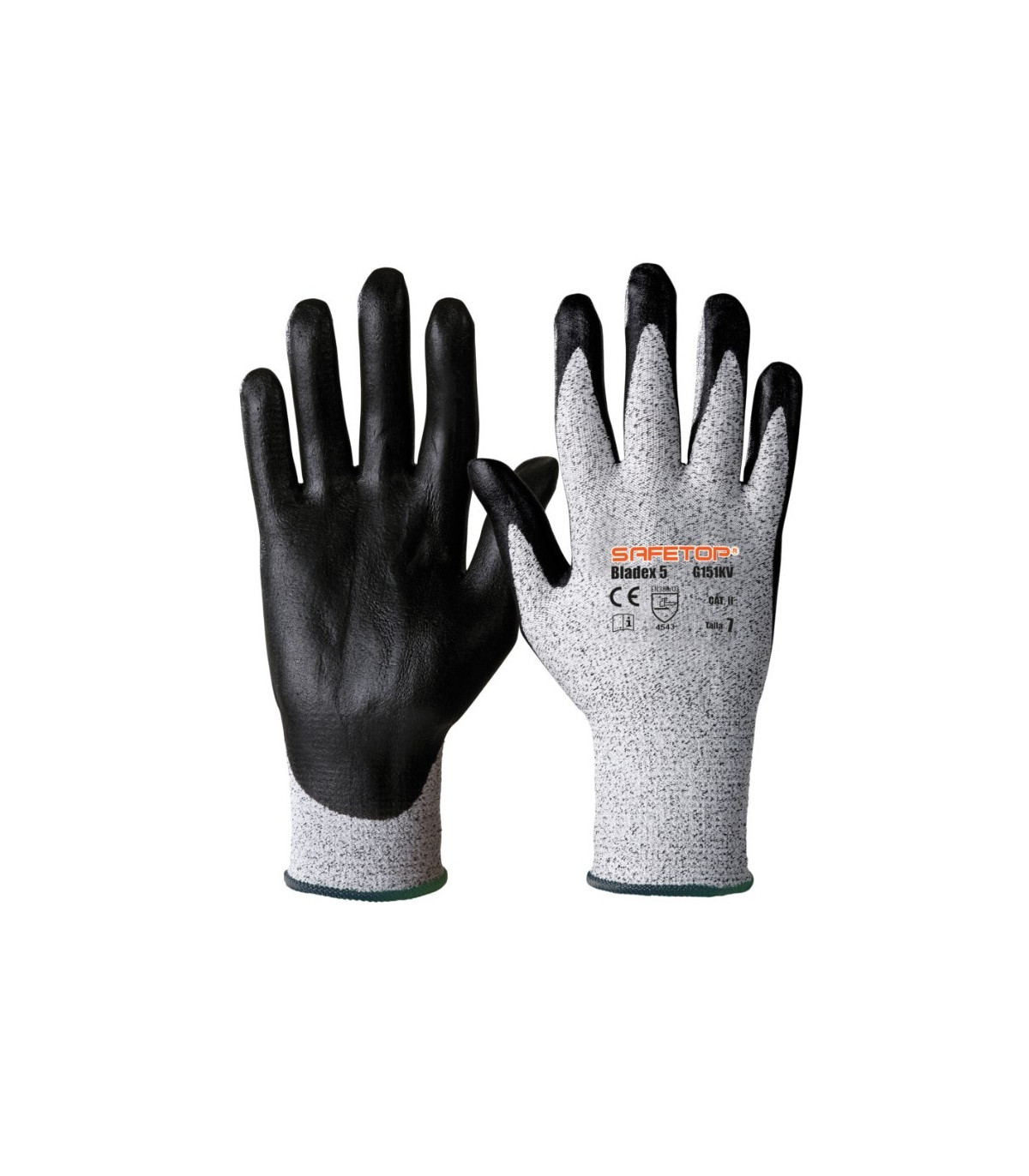
- Insulating gloves and mechanical protection gloves to wear on top: prevent current from passing through the hand and arm when touching live elements. Those worn on top (mechanical) protect the insulation from cuts, punctures and abrasion, which could render insulation useless.
View product:
Recommended by Sekureco: Cut-resistant nitrile gloves SAFETOP Bladex 5 REF: G151KV
- Helmets with electrical insulation and face shields: protects the head from impacts and accidental electrical contact in installations up to 1,000 V AC. The face shield protects face and eyes from projections and heat from short-circuit electric arc.Recommended by Sekureco: ABS safety helmet with electrical insulation IRUDEK Stilo 300.
View product:
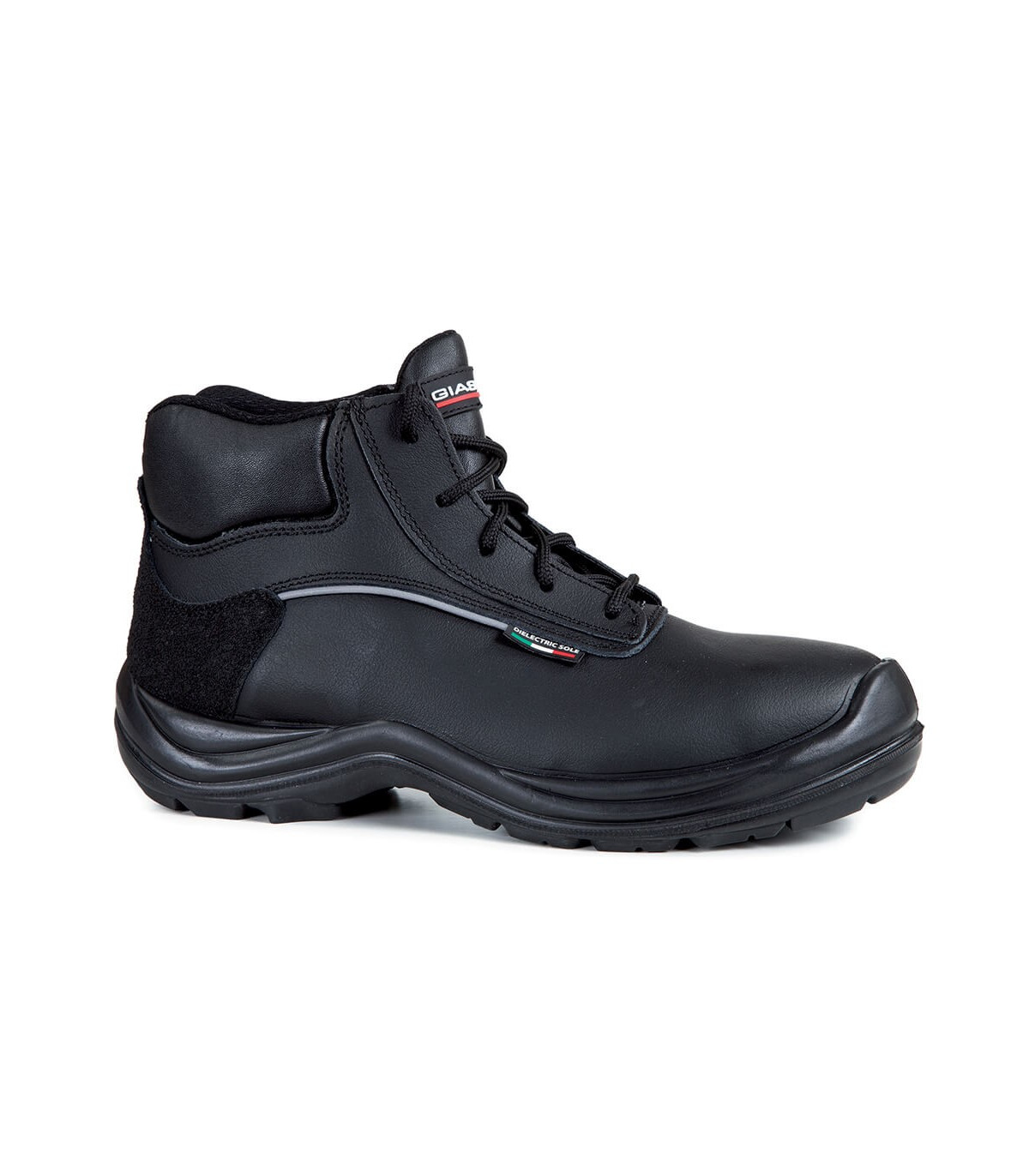
- Safety footwear with non-metal toecap, for electrical work: protects feet from impacts and crushing without using steel, which is conductive. At the same time, the insulating sole reduces the flow of current to earth.
View featured product from our catalogue:
High GIASCO EDISON electrician shoe with insulating sole 20,000V CE EN ISO 20345+A1:2024
Buy it here:
- Work clothing appropriate to electrical risk: covers the body and avoids exposed metal parts that could conduct electricity. If there is electric arc risk, it must be arc-certified clothing that resists heat and does not melt or drip onto the skin.
Check more models, availability and sizes of each product in the category.
FREQUENTLY ASKED QUESTIONS
1. What PPE is mandatory for an electrician?
It depends on the risk assessed in the workplace. In live voltage work, electrical risk PPE (insulating gloves, helmet with electrical insulation and face protection, among others) are essential and must meet Category III requirements.
2. What class of insulating gloves do I need?
The class must be higher than the actual installation voltage. For low voltage, classes 00 and 0 are usually used; higher classes correspond to medium and high voltage. Always confirm the maximum working voltage in the manufacturer's technical sheet.
3. Is a standard hard hat suitable for electrical work?
No. A standard helmet does not guarantee electrical insulation. For electrical risk you need a helmet certified to EN 50365, identified with its electrical class.
4. Does antistatic clothing protect against electricity?
No. Antistatic clothing protects against static electricity, not against electrical voltages or electric arc.
5. Can any worker perform live voltage work?
No. Under Real Decreto 614/2001, live voltage work must be carried out by qualified workers, authorised in writing by the employer.
6. How often should insulating gloves be inspected?
They are visually inspected before each use and undergo periodic dielectric tests as indicated by the manufacturer and applicable standards.
EQUIP YOURSELF WITH PPE FOR ELECTRICAL WORK
In electrical work there is no room for wrong equipment. At Sekureco.eu you'll find certified PPE for electricians, so you can choose the protection level your installation demands.
View all equipment for electricians and choose according to your workplace risk.
 English GB
 Español
 Français
 Deutsch
 Italiano
 Português PT