English GB
 Español
  Français
  Deutsch
  Italiano
  Português PT




€49.42
€49.42
(TAX incl.)
€40.85 (no TAX)
€40.85 (no TAX)
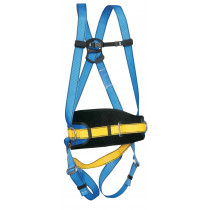
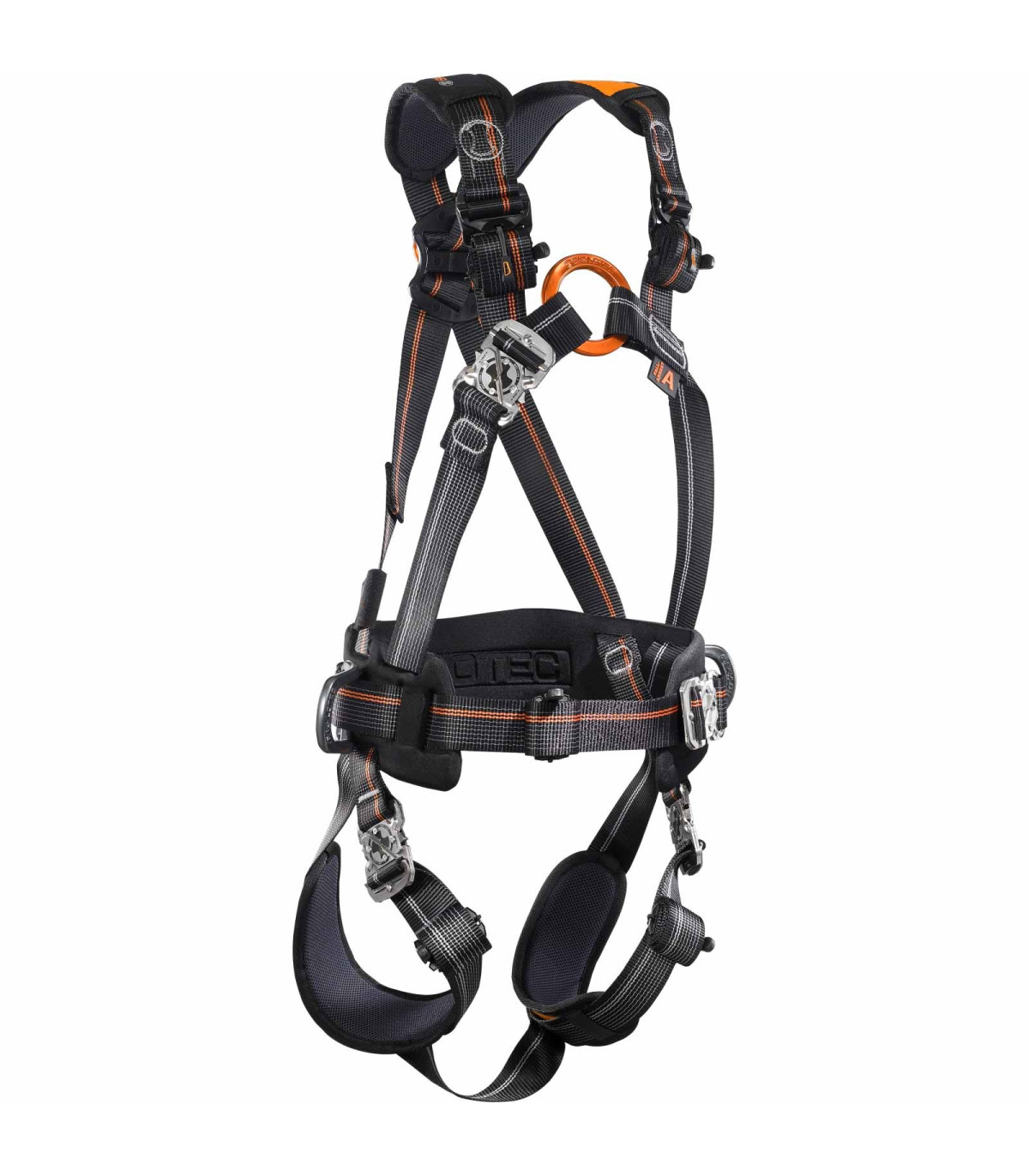
Fall protection harness with positioning belt - EN 361 and EN 358
Wide range of security products for any type of industry and work
know us


"From 2 meters onwards, it is mandatory to wear a harness" is probably the most repeated - and most misunderstood - phrase in any construction site or installation involving work at height. The legal reality is more nuanced than this popular rule suggests, and knowing it well is not just a technical matter: it determines whether your company is truly complying with occupational risk prevention regulations or simply following a sector custom.
In this article, we clarify two questions that are often treated separately but are always linked in practice: when is it mandatory to use a fall protection harness and which technical standard regulates its manufacture and certification, so you can make purchasing and prevention decisions with criteria, not by habit.
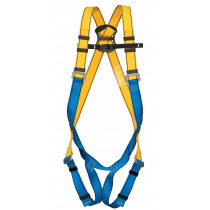
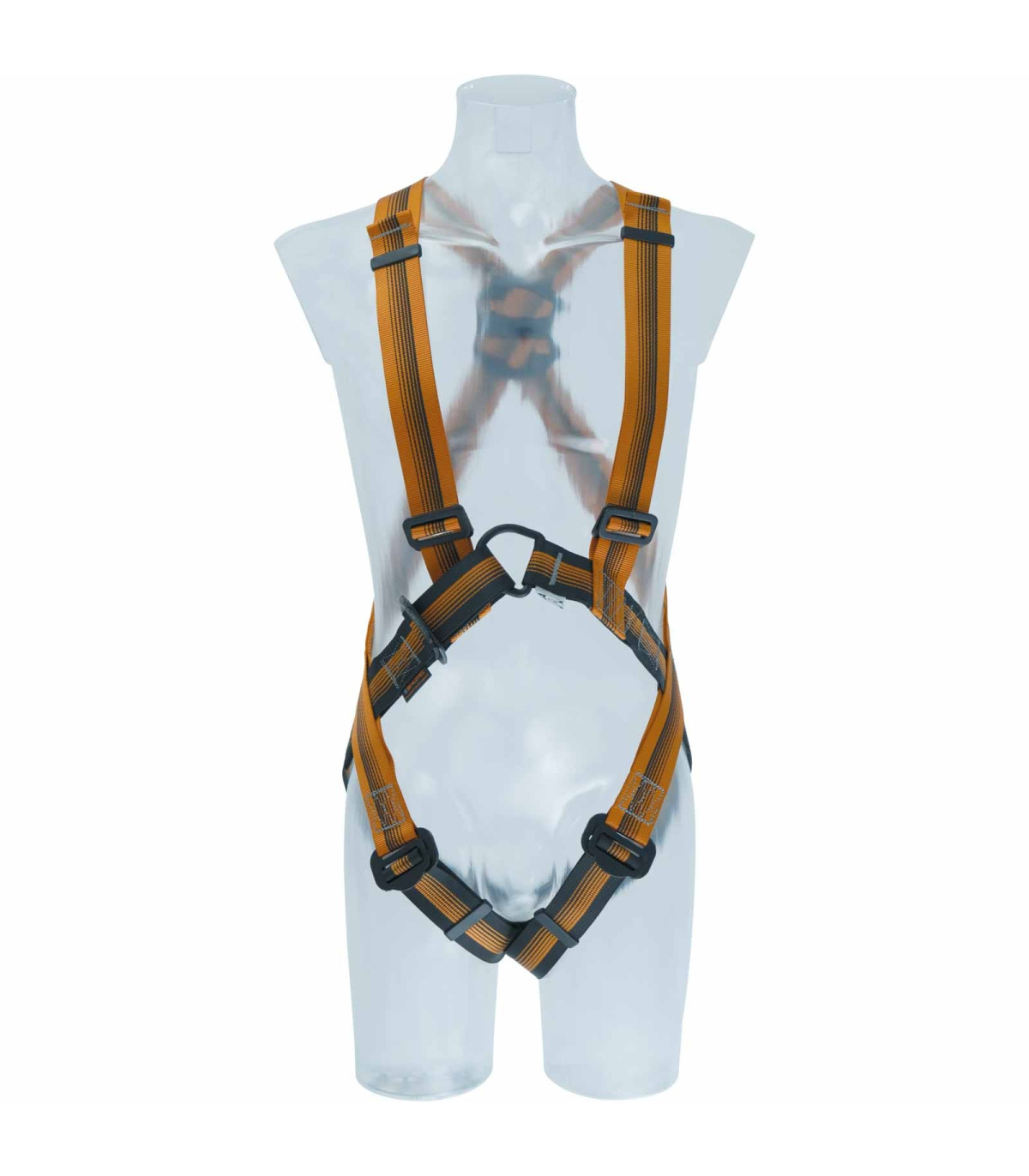
The UNE-EN 361 is the European standard that regulates full body fall protection harnesses, the only type of harness authorized to stop a free fall. It establishes the design, strength, and testing requirements that the harness must meet, including external and/or dorsal attachment points, which are the only certified points for connecting a fall protection system.
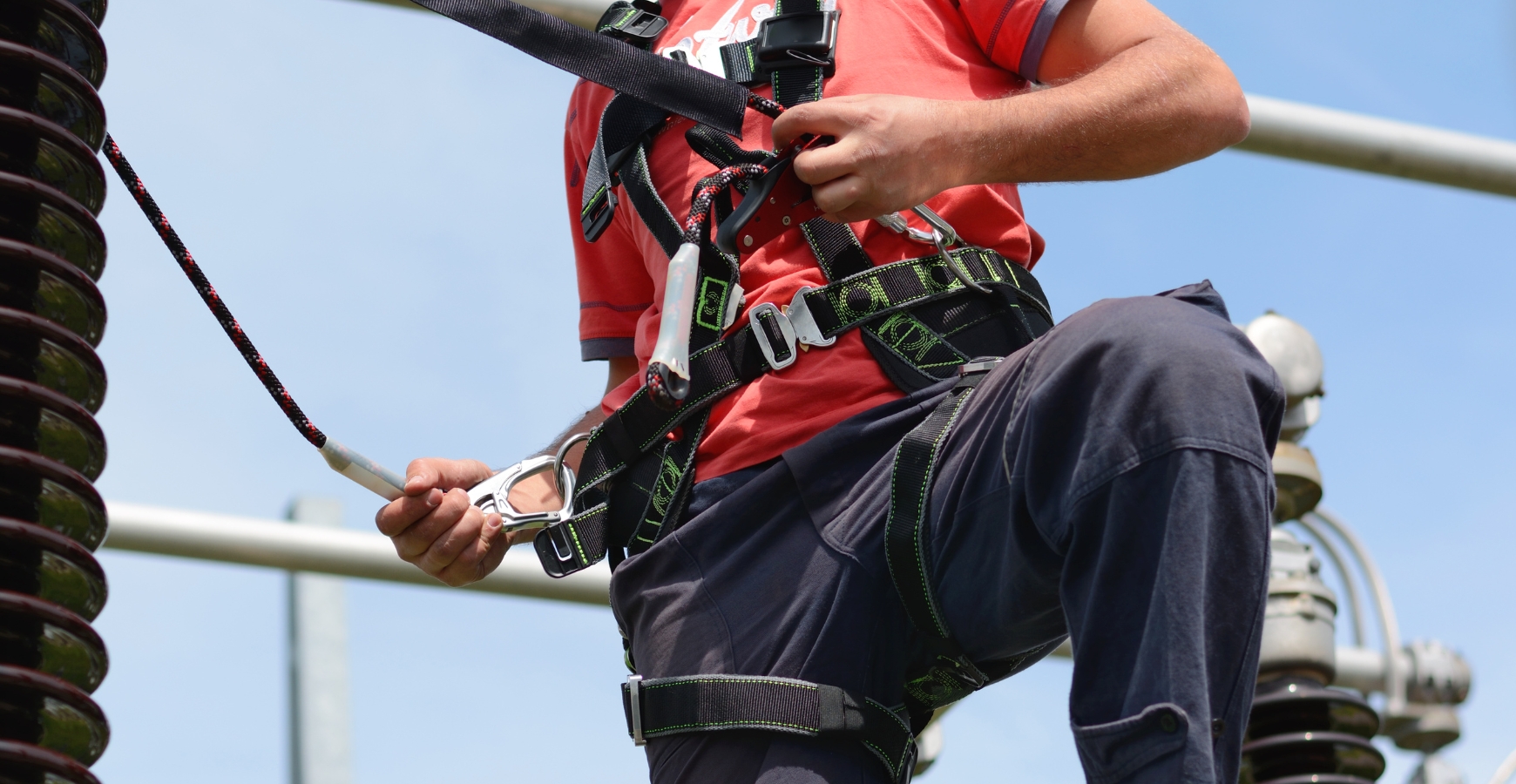
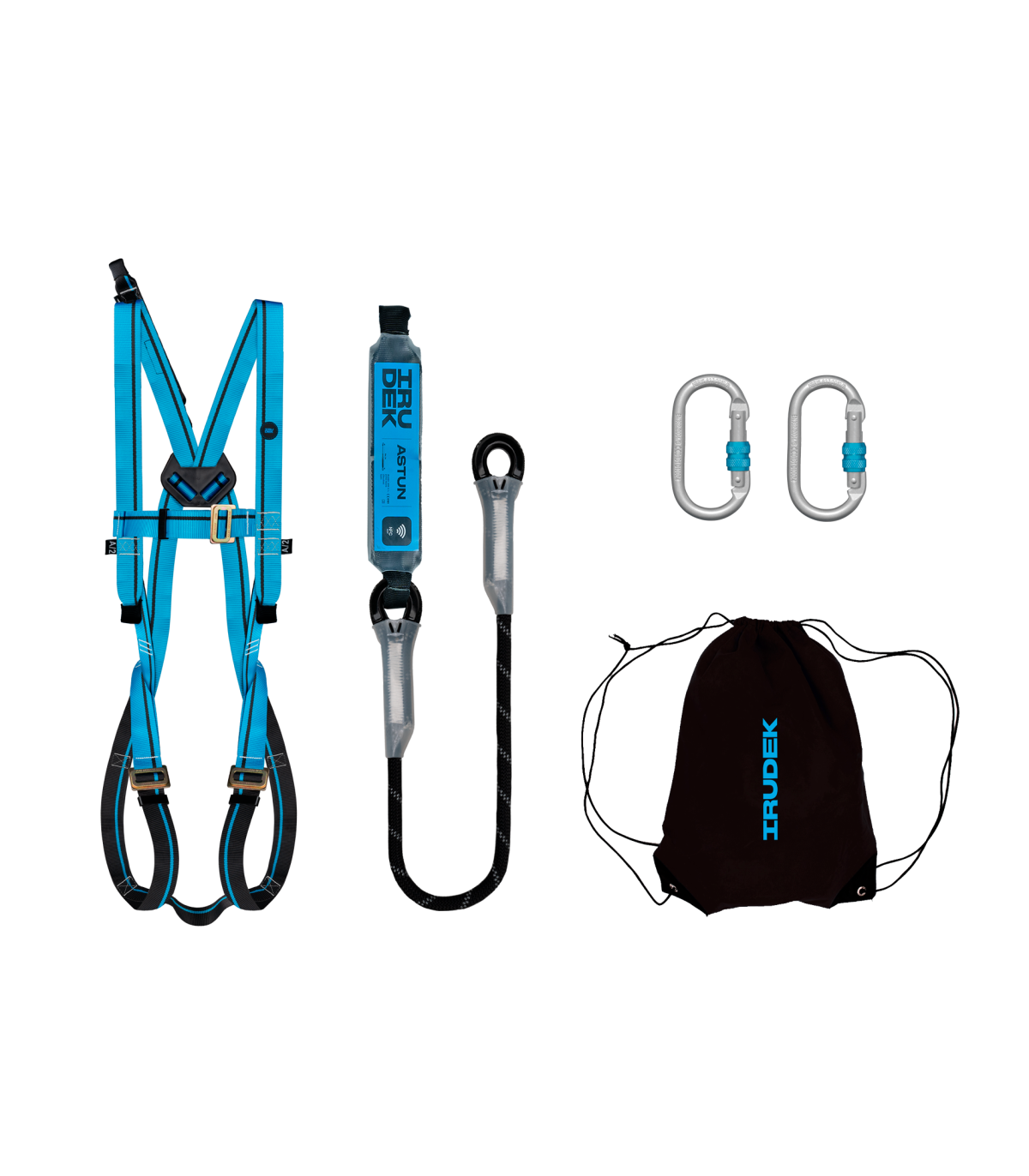
An EN 361 harness is never used alone: it is part of a complete fall protection system, which is regulated by the UNE-EN 363 standard, requiring the coordinated combination of several elements for effective protection.
It is common to find combined harnesses that simultaneously meet several of these standards (for example, EN 361 + EN 358), designed for workers who alternate positioning tasks and actual fall protection during the same workday.
The reference Spanish regulation for temporary work at height is the RD 2177/2004, which modifies RD 1215/1997. Contrary to popular belief, this decree does not literally state that the harness is mandatory "from 2 meters". What it does establish is that when there is a risk of falling from a height greater than 2 meters, work equipment must have guardrails or another equivalent collective protection system — not necessarily an individual harness.
The 2 meters have become a practical reference in most risk assessments and internal company procedures, but the specific legal obligation to use an individual fall protection system is formulated differently in RD 2177/2004 itself.
The same royal decree does include a direct numerical reference to the use of fall protection PPE: it establishes that work at more than 3.5 meters in height that involves dangerous movements or efforts for the worker's stability can only be carried out using individual fall protection equipment or other alternative protective measures.
This reflects a key principle of occupational risk prevention: the hierarchy of measures. The regulation always prioritizes collective protection (guardrails, nets, protected platforms) over individual protection. The fall protection harness comes into play when those collective measures are not possible or are insufficient for the actual risk of the task, not as the default first option.
Within our fall protection category at Sekureco, you will find:
View product
View product
View product
View recommended product
Is the harness mandatory from 2 meters in height?
Not literally. RD 2177/2004 requires collective protection from 2 meters; the direct regulatory reference to the use of fall protection PPE appears from 3.5 meters in work with instability risk, although many companies use 2 meters as an internal preventive criterion.
What is the difference between an EN 361 harness and an EN 358?
The EN 361 is a fall protection harness, designed to stop a free fall; the EN 358 is a restraint harness, which prevents the worker from reaching the risk area, without being designed to absorb the impact of a fall.
Can I use just the harness without the rest of the system?
No. An EN 361 harness must always be combined with a lanyard, energy absorber, and certified anchorage point to form a complete fall protection system in accordance with EN 363.
How often should a fall protection harness be inspected?
It should be visually inspected before each use and undergo a formal periodic review, with the frequency indicated by the manufacturer, taking it out of service at any sign of wear, cut, or deformation.
Do not leave your team's fall protection to the discretion of habit. Check out Sekureco for our complete range of certified EN 361 harnesses and complete fall protection systems, and choose the right combination according to the actual risk of each height work.
Discover our category of harnesses and fall protection systems and equip your team with the protection required by current regulations.
> CLOTHES AND COMPLEMENTS
Please sign in first.
Sign in