English GB
 Español
  Français
  Deutsch
  Italiano
  Português PT




€60.48
€60.48
(TAX incl.)
€49.98 (no TAX)
€49.98 (no TAX)
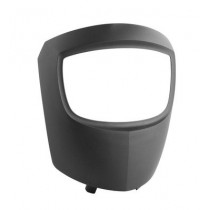
Front cover for welding screen 3M Speedglas 9002NC
Wide range of security products for any type of industry and work
know us


Not all welding glasses are suitable for every process, and this is not a matter of comfort, but of actual radiation. The most common mistake is to assume that dark-tinted glasses are interchangeable between autogenous welding, cutting or electric welding, when each process generates a different level of radiation that requires a specific filter shade and, in some cases, directly demands a face shield instead of glasses.
In this article, we explain which processes welding glasses are really suitable for, how the EN 169 standard shade scale works, and at what point glasses become insufficient and complete facial protection is needed.
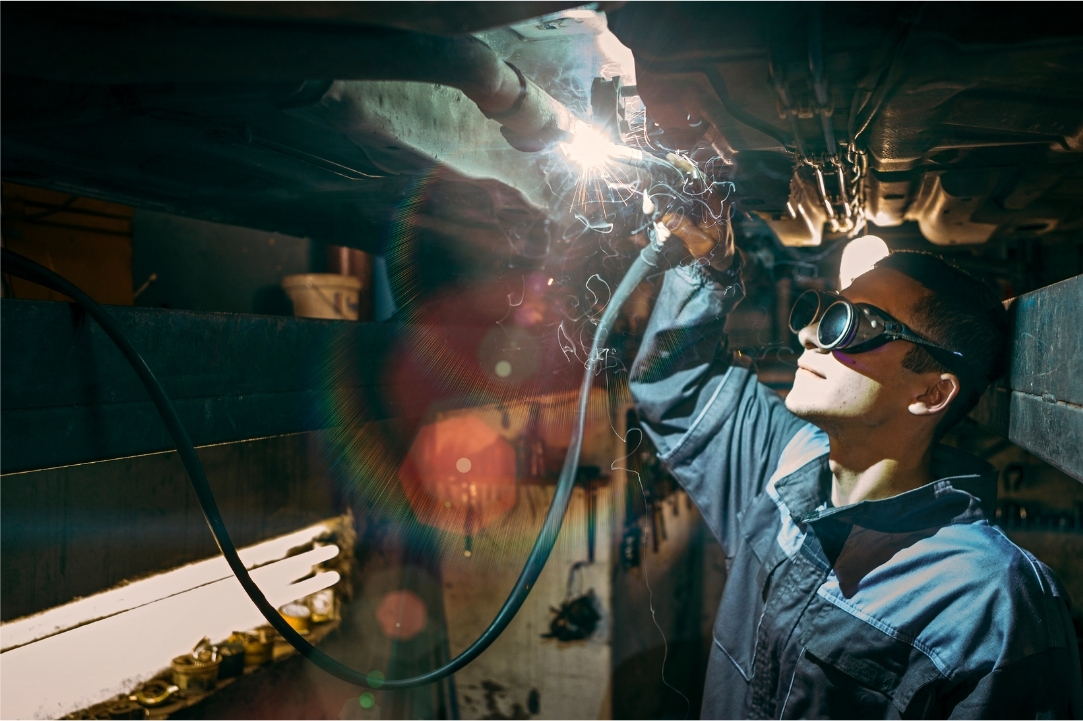
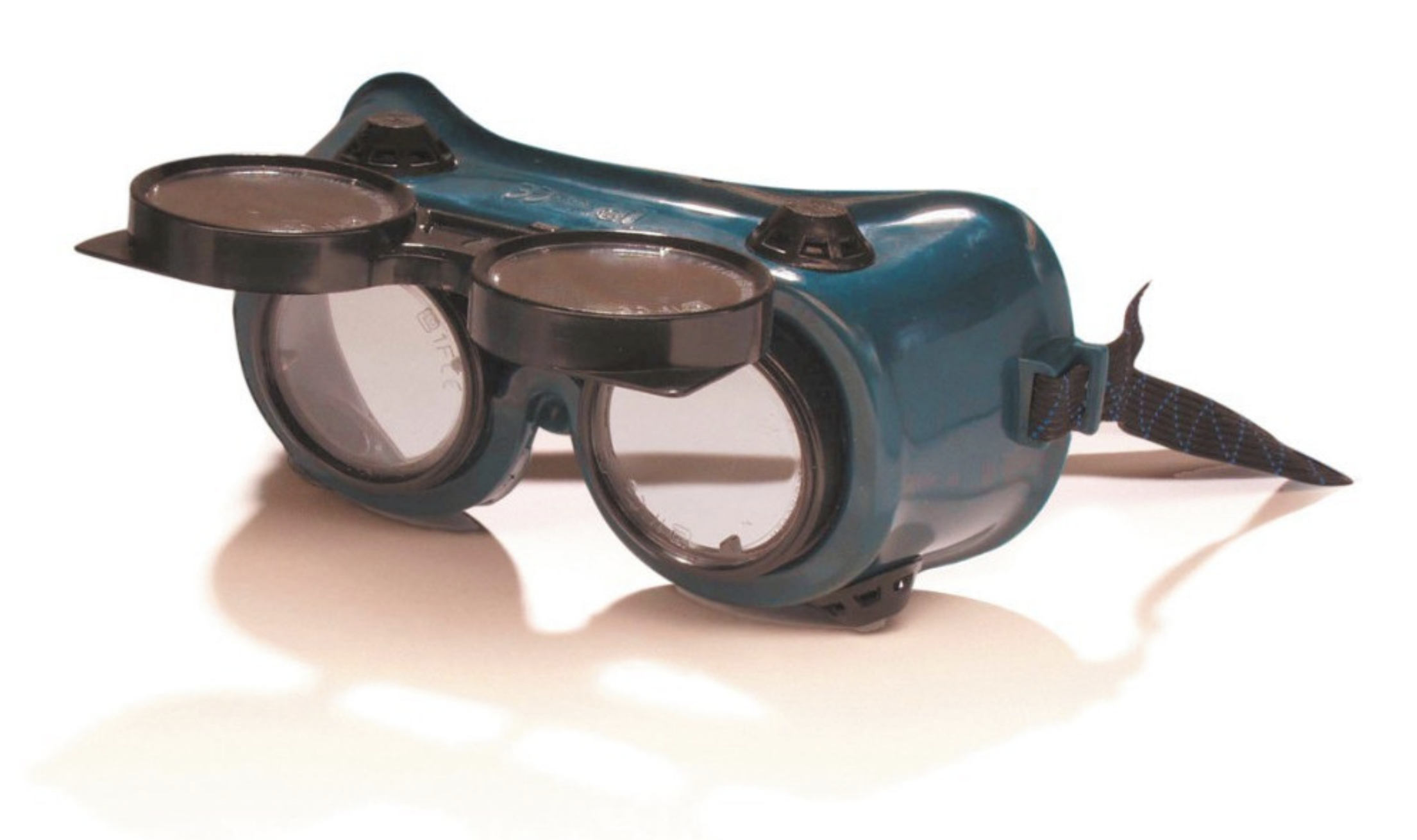
Welding glasses are designed for processes with moderate radiation: autogenous welding (oxyacetylene), cutting, hard soldering (brazing) and low-intensity plasma cutting. They are also used for protection for welding assistants—workers who operate near an electric arc without being the direct welders—and who need a lighter filter than the main operator.
In medium or high-intensity electric welding (electrode, MIG/MAG, TIG from certain amperages), the radiation generated exceeds what a simple pair of glasses can safely filter, and it is mandatory to use a face shield or welding mask with a darker filter shade (usually shade 8 to 13) and additional protection of the entire face against molten metal splashes. We addressed this coverage distinction between glasses and shields in our dedicated article, and in welding it is precisely where that difference becomes critical: glasses should never be used as a substitute for a shield in medium or high-intensity arc processes.
The EN 169 standard regulates filters for welding and related techniques, establishing a scale of shade numbers: the higher the number, the darker the filter and the lower the visible light transmission. Every welding filter must have this number engraved along with the CE mark, and must also meet the general requirements for resistance and impact of the EN 166 standard.
As a general guide (the exact shade depends on the actual process intensity and should be confirmed with the manufacturer's table):

Traditional welding glasses feature a fixed shade filter, suitable when the process and intensity remain stable. There are also variable shade filters, which automatically adjust their darkening according to the detected light intensity, although this technology is much more common in shields and masks (under EN 379 standard) than in conventional welding glasses.
Read our full article on Which standard regulates safety glasses - Complete guide to EN 166

In our Safety glasses category, you will find specific models for welding and related processes:
See featured product:
No. Welding glasses are designed for moderate radiation processes such as cutting or autogenous welding; medium or high-intensity electric welding requires a shield or mask with a much darker shade.
It is the scale number defined by EN 169 standard: the higher the number, the darker the filter and the less visible light it transmits, depending on the radiation intensity of the process.
It depends on the diameter of the cutting torch nozzle; as a general guide, it usually falls between shade 3 and 5, although it is advisable to confirm it with the specific manufacturer table of the equipment.
Yes, they must also meet the general requirements of EN 166 standard, which guarantees impact resistance in addition to radiation protection from the EN 169 filter.
It is uncommon; automatic darkening technology (EN 379) is almost always used in shields and welding masks, not in conventional glasses.
Choosing the wrong shade for your eye protection in welding is not just a matter of visibility: it is a real risk to eye health in the long term. At Sekureco, you will find EN 169 certified welding glasses for cutting and light processes, as well as face shields for higher-intensity electric welding.
Browse our complete category of Welding Glasses and choose the appropriate shade according to your welding process.
> CLOTHES AND COMPLEMENTS
Please sign in first.
Sign in